What Coram houses are selling for right now
The median sale price in Coram is $575,000, up sharply, 23.3% on the year. The median house takes about 38 days to go from listed to a signed contract.
That second number is the one sellers underestimate. It measures only the first leg, the wait for somebody to sign. After that a financed buyer's lender needs another 45 to 60 days to appraise the house and underwrite the loan, so the honest figure from listing to keys is closer to 83 to 98 days, assuming nothing goes wrong.
These figures come from Redfin's published data for ZIP 11727, dated 2026-05. We refresh them rather than leaving a number on the page to go stale, and we would rather quote a source you can check than an in-house statistic you cannot.
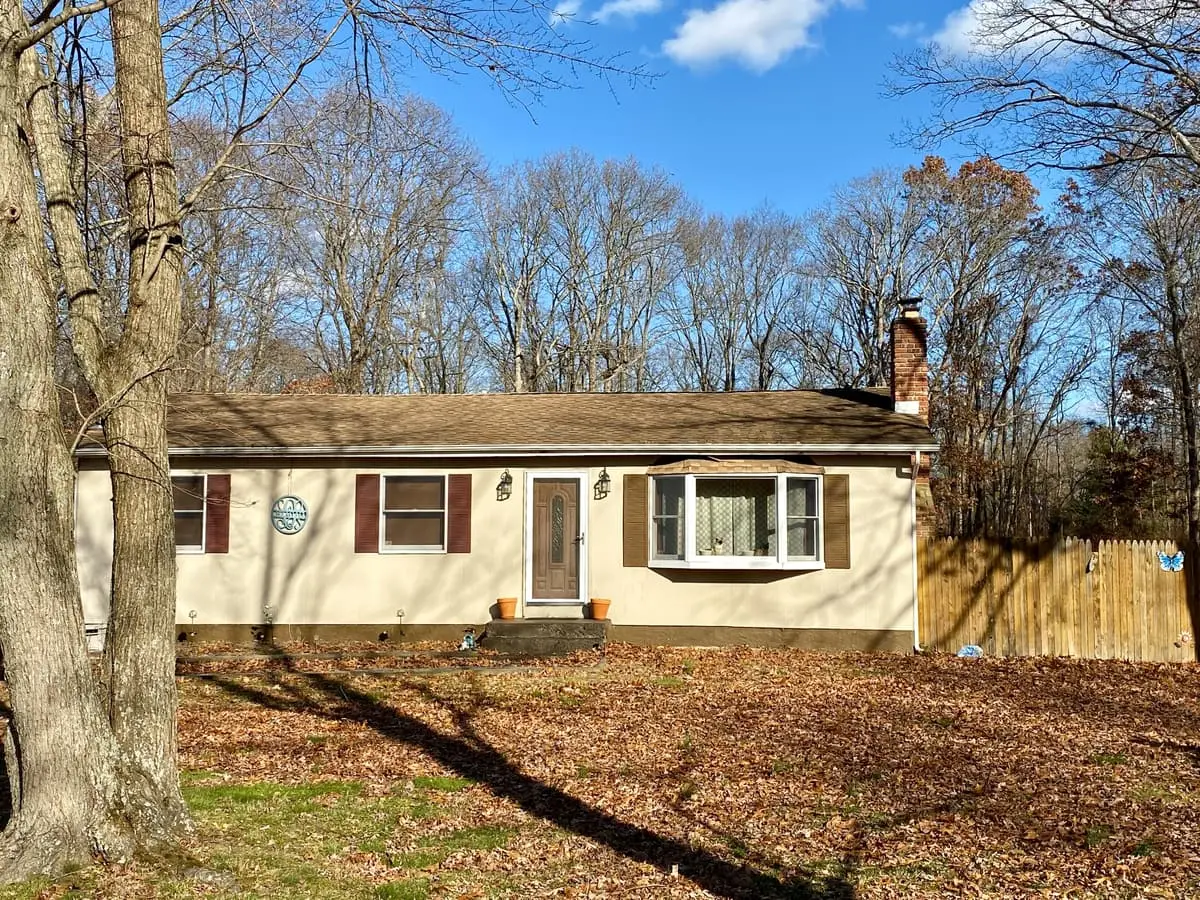
Why your Coram house may be worth nothing like the median
The gap between the Coram median and what a particular house fetches comes down to three things: what condition it is in, whether a bank will lend against it, and how quickly the seller needs to be finished.
That last one is real and rarely stated. A seller who can wait out a full retail sale has access to the top of the market. A seller who cannot, because of a deadline, a second property, or a situation at home, is choosing from a smaller set of buyers, and the price reflects it. Neither position is wrong. They are just different markets.
Which houses move and which ones stall
The houses that move at or above the Coram median are the ones a financed buyer can walk into: working mechanicals, a kitchen and bath somebody could live with, and nothing an appraiser would flag.
The ones that sit share a pattern. Something in them makes a lender nervous. An open permit, a failed inspection item, visible water damage, a roof at the end of its life. The listing gets interest, the buyer's lender balks, and the house goes back on the market with time on it, which costs more than the original problem would have.
What this means if your house needs work
Run the arithmetic properly before you decide. Repairing to listable condition means paying for the work up front, carrying the house while it is done, then paying commission and closing costs at the end, and hoping the Coram market holds through all of it.
Sellers frequently find the finished price, minus repairs, minus carry, minus commission, lands close to a cash number they could have taken months earlier without the risk. Sometimes it does not, and repairing genuinely wins. The only way to know is to get both figures in front of you, which costs nothing.
What you do not pay
Each of the following comes with a retail listing of a house, and none of it comes with ours.
- Agent commission
- $28,750 at 5% of the Coram median none
- Seller closing costs
- About $11,500 on a $575,000 sale. We can cover these. none
- Repairs to make it listable
- Whatever it takes to make it listable, paid in advance none
- Cleanout and removal
- Per truckload, before anyone views it none
- Carrying costs while it waits
- Taxes, insurance and utilities across the 83 to 98 days it takes to find a buyer and then wait on their lender none
What days on market actually measures
It is a useful number and a frequently misread one. It measures the gap between listing and contract on houses that actually sold, which quietly excludes the ones that did not.
That matters in Coram because the houses that fail to sell are disproportionately the ones in poor condition, which is to say the ones most like the property you are probably reading this about. A median drawn only from successful sales tells you how long the sellable houses took, not how long yours will take.
Whether to sell now or wait
If you are holding a house in good condition and have no deadline, the market direction is worth paying attention to and waiting is a real option.
If the house needs work or is standing empty, the direction matters much less than the carrying cost. Taxes, insurance at the vacant rate, heat through a Long Island winter and the slow deterioration of an unoccupied building generally run ahead of whatever a flat or modestly rising market adds. Even in a rising market, a house that is degrading faster than the index is rising is not an investment.
How the Coram market feeds into what we can pay
We work backwards from what a house is worth once it is finished, so the Coram market sets the ceiling on everything we do. When resale values rise, the numbers we can pay rise with them. When they fall, they fall.
What does not move with the market is the cost of the work. A roof costs what a roof costs whether prices are up or down, which is why offers on houses needing heavy work are less sensitive to the market than offers on houses needing little. On a property where the repair bill is the dominant term, the market is close to a rounding error.
Common questions
Is now a good time to sell in Coram?
Prices in Coram are up 23.3% on the year, which is a reasonable backdrop. But timing the market matters far less than condition and circumstance. A house that cannot get financed does not benefit from a rising market, because the buyers driving it cannot buy yours.
Why is your offer below the Coram median?
Because the median describes renovated houses selling to financed buyers after a months-long wait, and that is a different transaction. We buy unrenovated, pay cash, close on your date, cover the closing costs and take the repair risk. The number reflects all of that. What we will not do is pretend otherwise. If your Coram house is in good condition and you can wait, listing will usually beat us and we will say so.
How current are these figures?
These figures come from Redfin's published data for ZIP 11727, dated 2026-05. We refresh them rather than leaving a number on the page to go stale, and we would rather quote a source you can check than an in-house statistic you cannot.