Why buyers and lenders react to a buried oil tank the way they do
A retail buyer is spending their savings on a place to live and borrowing most of the money to do it. An oil tank buried in the yard is a risk they cannot size, which is the same reason mold and structural findings end contracts.
The pattern runs predictably. The oil tank surfaces in a survey, an inspection, a title search or a neighbor's memory. The attorney asks for documentation of the removal. There is none, because the tank was abandoned in place long before anybody thought to keep paperwork. The buyer asks the seller to test it, the seller balks at spending money on a house they are leaving, and the deal sits there.
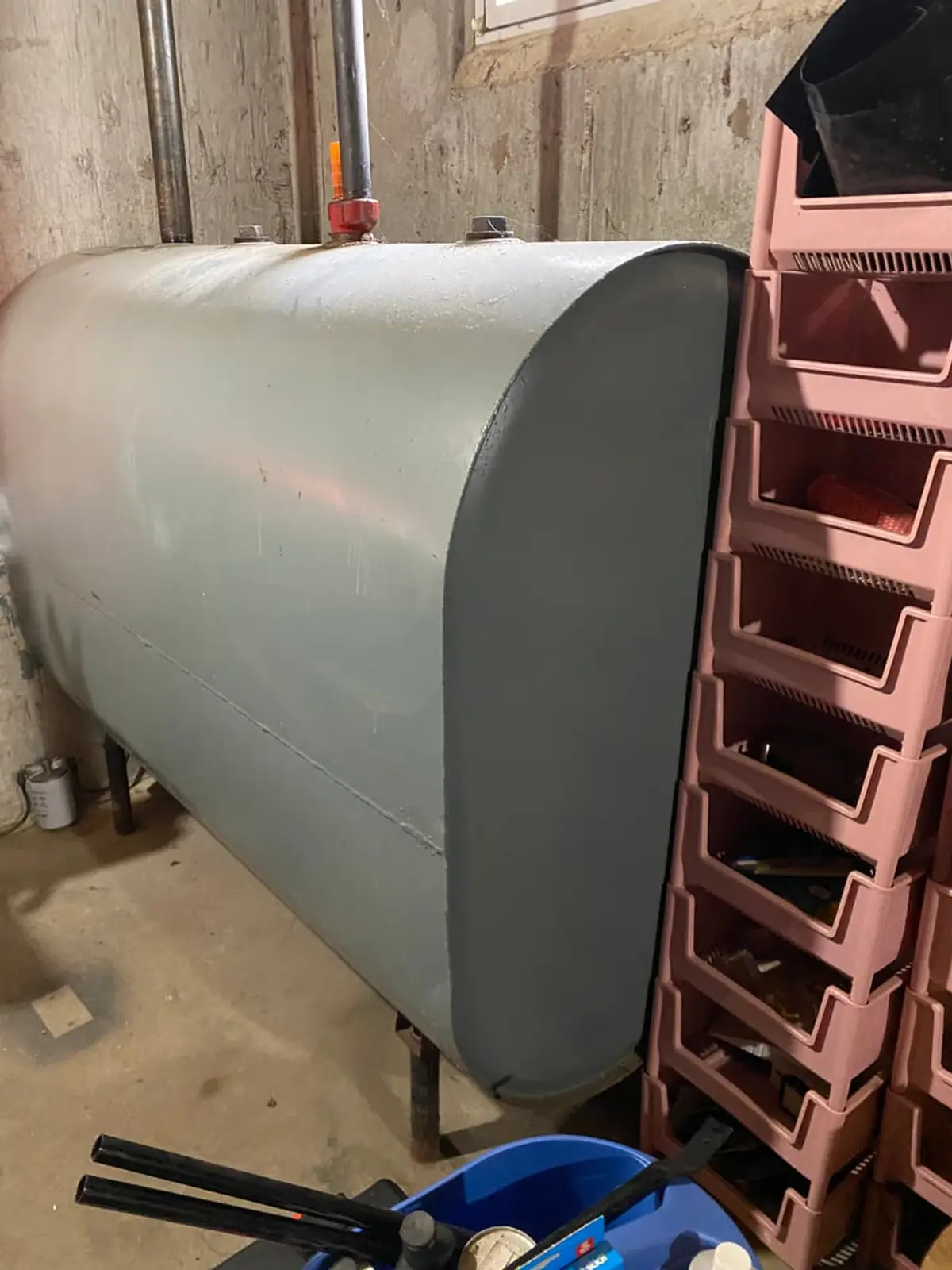
Where our experience with oil tanks is worth something to you
An oil tank is not one problem. It is a title question, an environmental question, a cost question and a timing question arriving together, and the owner is rarely in a position to project-manage all four.
That is the part we are genuinely useful for. We know which contractors do tank work properly on Long Island, which attorneys handle the paperwork side without turning it into a six-month exercise, and what a tank pull looks like when the ground underneath is clean. We buy with the oil tank in place and take the whole sequence on ourselves.
Why local knowledge changes the number
A four-bedroom on Judith Drive. A three-bedroom on Winside Lane. An one-bedroom on Skyline Drive. All of them in Coram, all bought by us.
Coram is roughly 40,220 people in Suffolk County, ZIP 11727, and the housing stock is mostly hi-ranch, ranch, colonial. Around Route 112 and Middle Country Road, most of it is old enough that the mechanicals are on their second or third life. We know which of these streets take water, where the older systems fail first, and what the Longwood and Middle Country school district does to a resale price.
You do not need to test the oil tank before you call us
The order people usually reach for is: remove the oil tank, then sell. It is the natural instinct and it is frequently the costly one.
Once the excavator is on site and the tank is out, whatever the ground shows becomes yours to deal with, mid-sale, with a buyer waiting. Sellers who go that route sometimes watch the job double while they are standing in the yard. Selling with the oil tank in place moves that risk to us, which is most of the reason to do it this way.
What happens when a buried oil tank has leaked into the soil
A tank that sat empty and intact is one job. A tank that leaked is a larger one, because then the soil is involved and the work goes wider than the excavation.
That changes the number. It does not end the conversation. We have bought houses where oil had reached the soil and taken them through to closing. What we ask is that you tell us early, because an offer built on half the story is an offer that moves later, and being renegotiated late is exactly the experience you are trying to get away from.
What the two paths cost in Coram
These are the two routes open to you with a house with a buried oil tank, priced against what Coram houses actually sell for.
Work it against Coram's own numbers. The median sale here is $575,000. A 5% commission on that is $28,750, and seller closing costs of about 2% add roughly $11,500. Those are costs we can cover on our side. That is $40,250 gone before anyone counts the repairs it took to get the house listable.
There are two waits in a listed sale and people usually only count the first. In Coram the median house takes about 38 days to go from listed to a signed contract. Then it waits again, typically 45 to 60 days, while the buyer's lender orders an appraisal and underwrites the loan. Call it 83 to 98 days from sign to keys, assuming nothing goes wrong.
The part worth understanding is what a signed contract actually guarantees, which is less than most sellers assume. A retail buyer with a mortgage contingency can walk away right up to the end. If they do not qualify, if the appraisal comes in under the price, if they change their mind and let the financing lapse. A share of deals die exactly there, after months of waiting, and the house goes back on the market with time on it. We are not borrowing anything, so there is no lender to satisfy, no appraisal to come in low and no contingency to exercise.
| Listing with an agent | Selling to us | |
|---|---|---|
| Sale price | $575,000 (Coram median) | Our written offer |
| Commission | −$28,750 | None |
| Seller closing costs | −$11,500 | We can cover them |
| Repairs before listing | Out of pocket | None |
| Cleanout | Yours | Ours |
| Showings | Until it sells | One visit |
| Listed to signed contract | 38 days (Coram median, once listable) | 24 hours to a written offer |
| Contract to closing | 45 to 60 days (waiting on the buyer's lender) | A date you choose |
| Total wait | 83 to 98 days if nothing falls through | Yours to set |
| Can the buyer walk? | Yes (mortgage contingency runs to the end) | No financing to fall through |
| Before repairs and carrying | $534,750 | The number we put in writing |
Assumptions: 5% commission and about 2% seller closing costs on the listing side, and both move from deal to deal. Repairs and the cost of holding the house are not deducted, since they vary by property. A well-kept house with a good agent can come out ahead of a cash sale, and if that describes yours we will say it.
Why cash matters when there is an oil tank in the yard
The reason cash matters here is not really speed. It is that nobody else is grading the property. A mortgage lender has a view about unresolved environmental items and will hold funding until it is satisfied, and satisfying it means contractors, invoices and clearance paperwork, all completed before closing.
We use our own funds. There is no underwriter looking at the oil tank and no condition to clear. We close on the date you choose, with the tank exactly where it is.
What you do not pay when you sell a house with a buried oil tank
These are the costs of putting a house with a buried oil tank on the market through an agent. None of them apply when you sell to us.
- Agent commission
- $28,750 at 5% of the Coram median none
- Seller closing costs
- About $11,500 on a $575,000 sale. We can cover these. none
- Repairs to make it listable
- Whatever the house needs, paid up front none
- Cleanout and removal
- Charged by the truckload, and done before the first showing none
- Carrying costs while it waits
- Taxes, insurance and utilities while you spend 83 to 98 days finding a buyer and waiting for their loan none
Oil tank disclosure, paperwork, and who to ask
If there is paperwork anywhere, it helps. An old permit, a receipt from whoever did the conversion to gas, a note from a prior closing, anything a previous owner left in a drawer. Your town's building department may hold records of work done at the address, and it costs nothing to ask them.
If there is nothing at all, that is the usual case with a buried oil tank and it does not slow us down. We have bought plenty of Coram houses where the only evidence of the tank was a capped fill pipe beside the side door.
Common questions
Do I have to remove the oil tank before you buy a Coram house?
No. We buy with the oil tank in the ground. Removal is our cost and our project after closing, not something you arrange first.
How do I know whether there is still an oil tank buried in my yard?
The usual signs are a capped fill pipe or vent on the side of the house, a boiler that was converted to gas, or copper lines running to nowhere in the basement. A tank company can sweep the yard and settle it. Your town's building department may also hold records for the address.
What if the oil tank leaked?
A leak widens the work, and there may be reporting considerations in New York, which is a question for your attorney and an environmental contractor. From our side we still buy. Tell us early so the offer is right the first time.
A buyer walked away over the oil tank. Does that hurt my chances with you?
No. Most Coram owners who call us about a buried oil tank have already had a contract die on it. That is the usual route here, not a mark against the property.
Does the oil tank change what you can pay?
It affects the number the way any real cost does, because the removal and whatever the ground needs have to be paid for by somebody. What it does not do is end the conversation.